
The Top 5 Things that Shine on a College Application

Don't miss out the Bonus tip at the end!
Have you ever stared at a blank college application, wondering what exactly admissions officers are looking for? You're not alone.
Each year, millions of high school students face the daunting challenge of distinguishing themselves among thousands of qualified applicants. With acceptance rates at top universities getting lower, the pressure to create a stellar application has never been higher.
The good news? Despite what you might have heard, college admissions isn't a complete mystery. Having guided thousands of students toward their dream colleges, we’ve found that certain elements consistently impress admissions committees across all types of institutions.
In this guide, we'll walk you through the five elements that truly move the needle on your college applications.

1️⃣ Strong Performance in Rigorous Courses
Your academic record remains the foundation of any strong application. When admissions officers look at your transcript, they're asking two critical questions:
"Can this student handle our academic rigor?"
"Has this student demonstrated a willingness to go above and beyond?"
Strong grades in challenging courses answer both questions with a resounding "yes." Your transcript tells a four-year story of your intellectual curiosity, work ethic, and academic potential.
Making It Happen
1. Choose rigor strategically. Take the most challenging courses available in your areas of strength. If you excel in STEM, load up on AP Physics, Calculus, and Computer Science. If humanities are your thing, prioritize AP Literature, History, and foreign languages.
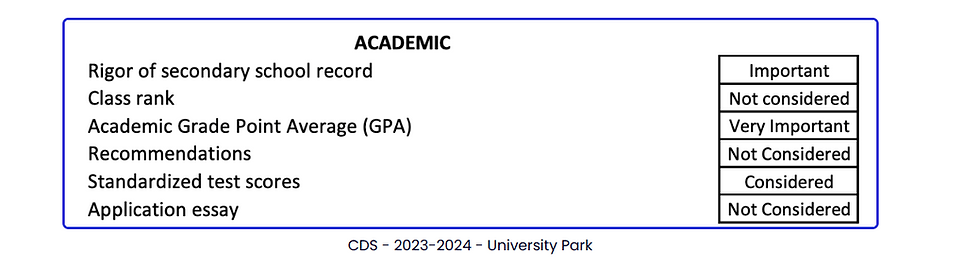
2. Build progressively. Colleges look for an upward trajectory in course difficulty. Start with regular honors courses in 9th grade, then gradually incorporate AP or IB courses in 10th and 11th grades.
3. Maintain balance. It's better to earn A's in 3-4 AP courses than C's in 7-8. Quality over quantity matters—admissions officers can spot course overload that tanks your GPA.
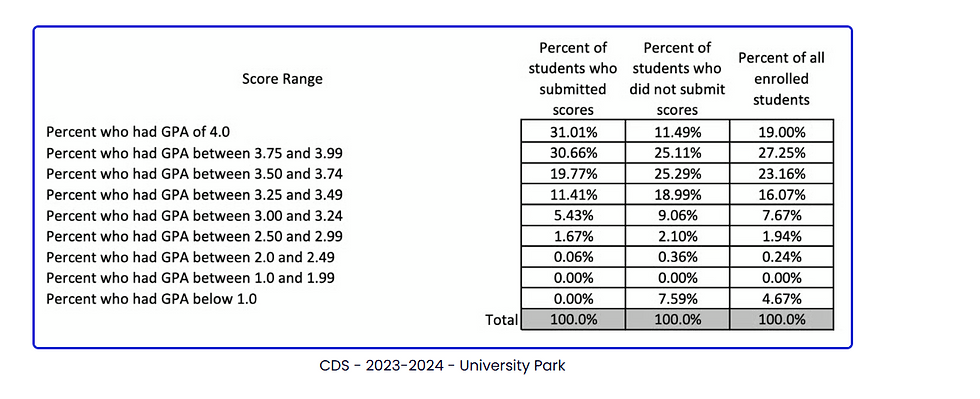
4. Consider your intended major. If you're applying for engineering, colleges will scrutinize your math and science grades more closely. Show strength in subjects relevant to your planned field of study.

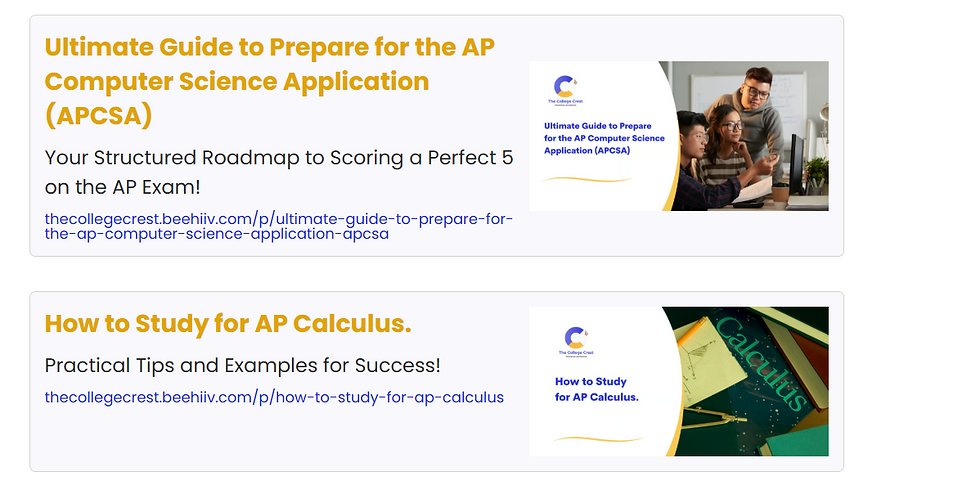
Check out some of our previous resources on AP exams:


2️⃣ Top Percentile in Standardised Testing
While many colleges have adopted test-optional policies, strong standardized test scores still provide a powerful boost to your application. Why? They offer a standardized metric that cuts across different high schools, grading systems, and course offerings.
A score in the upper percentiles for your target schools demonstrates academic preparedness and can compensate for slight weaknesses in other areas of your application.
If you’re targeting a specific college like New York University, you should target a SAT score of 1520 or above.

Best Practices for SAT Retakes
1️⃣ Analyze Your Score ReportAfter each attempt, thoroughly review your score report to identify strengths and weaknesses. Use this information to create a focused study plan.
2️⃣ Set Realistic GoalsDefine clear, achievable goals for your next attempt. For example, aim to increase your Math score by 50 points rather than targeting a perfect 1600.

3️⃣ Revamp Your Study Strategy
Use resources such as Lets Unbound YouTube for free, personalized practice.
Invest in high-quality test prep books or consider hiring a tutor if budget permits.
4️⃣ Take Practice Tests Under Real ConditionsSimulate actual test conditions by taking timed practice tests. This builds stamina and improves time management.
5️⃣ Prioritize Mental and Physical HealthAvoid burnout by balancing study sessions with breaks, exercise, and adequate sleep. Your mental well-being plays a crucial role in test performance.

3️⃣ Well-Written Essays
Your essays are your voice in the application process—the only place where admissions officers hear directly from you. A powerful essay transforms you from a collection of statistics into a three-dimensional person with unique perspectives, experiences, and potential contributions to campus.
Essays often become the deciding factor between academically similar candidates. When credentials look similar on paper, the student who tells the more compelling story gains the edge.
Making It Happen
Start with reflection, not writing. Before drafting, spend time identifying your core values, formative experiences, and unique perspectives. The best essays emerge from self-understanding.
Choose unexpected angles. Rather than writing about winning the big game, perhaps explore how you handled losing it. Admissions officers read thousands of essays—give them something fresh.
Show, don't tell. Replace statements like "We're passionate about science" with vivid scenes of you staying late in the lab or teaching concepts to younger students.
Find your authentic voice. Write as your best self—thoughtful and articulate, but still you. Avoid thesaurus-heavy writing that sounds nothing like how you actually communicate.
Revise ruthlessly. Strong essays typically go through 5-7 drafts. Cut unnecessary words, strengthen verbs, and ensure every sentence advances your narrative.

4️⃣ A Spike in Your Extracurriculars
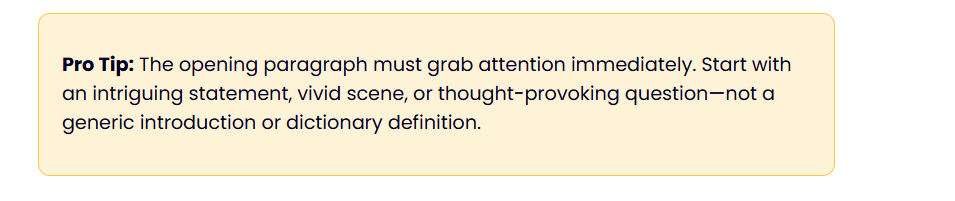
Colleges aren't looking for well-rounded students—they're building well-rounded classes made up of angular individuals. This means depth in a few areas matters far more than surface-level participation in many activities.
A "spike" shows passion, commitment, and impact in your area of greatest interest. It demonstrates that you don't just participate—you make a difference.
7 Steps to Create a Stellar Extracurricular Profile
1. Prioritize Depth Over Breadth
Focus on one core interest where you’ve made the biggest impact. Avoid being “well-rounded” just for the sake of it.Ex: Led initiatives in social impact like recycling 30,000 books and mentoring students.
2. Show Leadership & Initiative
Leadership is about action, not titles. Highlight how you started or led something impactful.Tip: “Led book drives collecting 30,000+ books, benefiting 6 schools.”
3. Quantify Your Impact
Use numbers to showcase scale.Instead of “volunteered at a food bank,” say “Organized monthly drives feeding 2,000+ families.”
4. Align Activities with Your Passion
Pick activities that reflect your interests.Ex: A student passionate about music might perform, teach, or podcast—even if it’s not their main theme.
5. Add Complementary Activities
Besides your core passion, include 2–3 varied roles to show versatility:
Community service
Sports
Creative work
Internships/research
6. Use Strong Action Words
Say “Led debate team to regionals” instead of “Participated in debate.”Highlight your role and results.
7. Review & Refine
Proofread for clarity, grammar, and tone.Ask mentors or teachers for feedback—they may catch what you missed.

5️⃣ Compelling Letters of Recommendation
Strong recommendations provide external validation of your strengths and potential. They offer perspectives on your character, intellectual curiosity, and classroom contributions that you can't credibly write about yourself.
The best recommendations don't just repeat your accomplishments but provide specific examples and insights that bring your application to life.
Making It Happen
Choose recommenders strategically. Select teachers who know you well, ideally someone who gave you an A. If you’re planning to major in Biology and have earned top marks in AP Biology, it’s a smart move to ask your AP Biology teacher for a recommendation letter. Their insight into your passion and performance in the subject can strongly support your application.
Build authentic relationships. Participate in class, attend office hours, ask thoughtful questions, and demonstrate intellectual curiosity consistently—not just when recommendation season approaches.
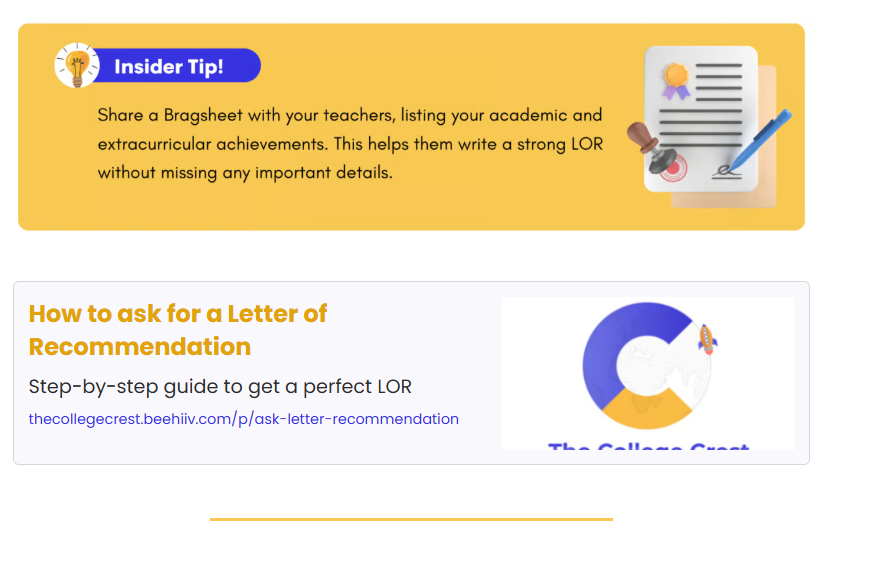
Provide helpful context. When requesting letters, offer a brief resume and remind teachers of specific projects or discussions that showcase your strengths. Make their job easier.
Request early. Ask for recommendations at least 6-8 weeks before deadlines. Last-minute requests often yield rushed, generic letters.
Include different perspectives. If possible, choose recommenders who have seen different sides of you—perhaps one STEM teacher and one humanities teacher—to create a more complete picture.
Bonus: Relevant Work Experience
While not one of the traditional "big five," meaningful work experience has become increasingly valuable on applications. Whether it's a formal internship, part-time job, or family responsibility, work experience demonstrates maturity, reliability, and real-world skills.
Making It Count
Highlight transferable skills. Your retail job taught customer service, conflict resolution, and working under pressure—all valuable college skills. Make these connections explicit.
Quantify your contributions. "Managed inventory worth $10,000" or "Trained 7 new employees" is more impressive than simply listing job titles.
Show progression. Advancement from entry-level to greater responsibility speaks volumes about your work ethic and capabilities.
Connect to academic interests when possible. A hospital volunteering position becomes even more relevant for a pre-med applicant; a coding side hustle strengthens a computer science application.
Conclusion
Creating a standout college application isn't about checking random boxes or following gimmicky strategies. It's about thoughtfully developing your academic profile, pursuing genuine interests with depth, and effectively communicating your unique strengths and perspectives.
Your dream school is looking for students exactly like you—students with the academic preparation, distinctive perspectives, and genuine passion to thrive on their campus. With these five elements in place, you're ready to show them exactly why you belong.
Good luck!




Comments